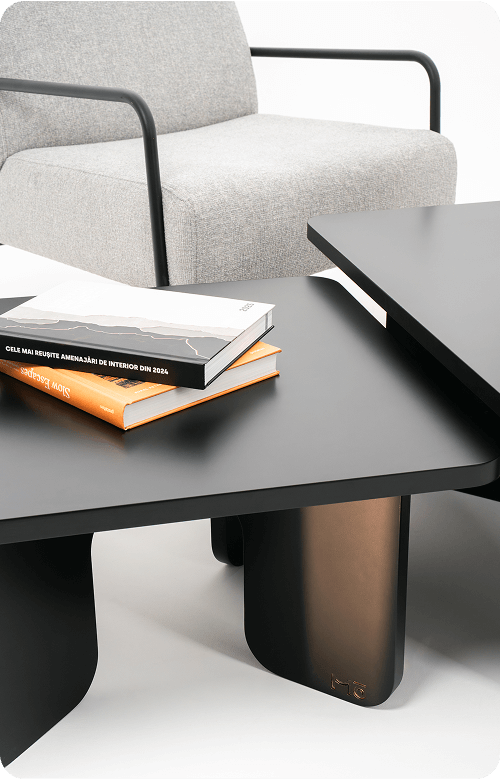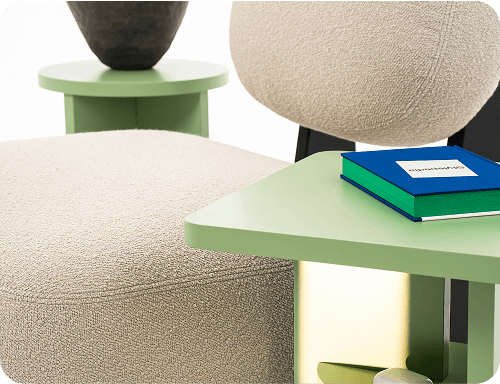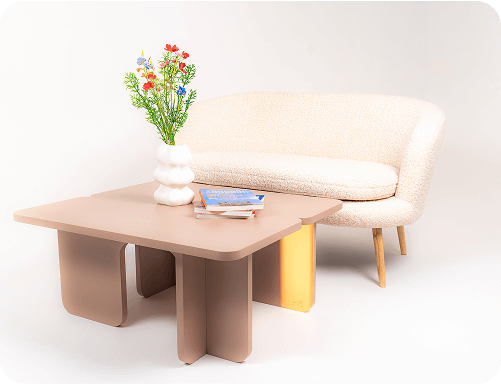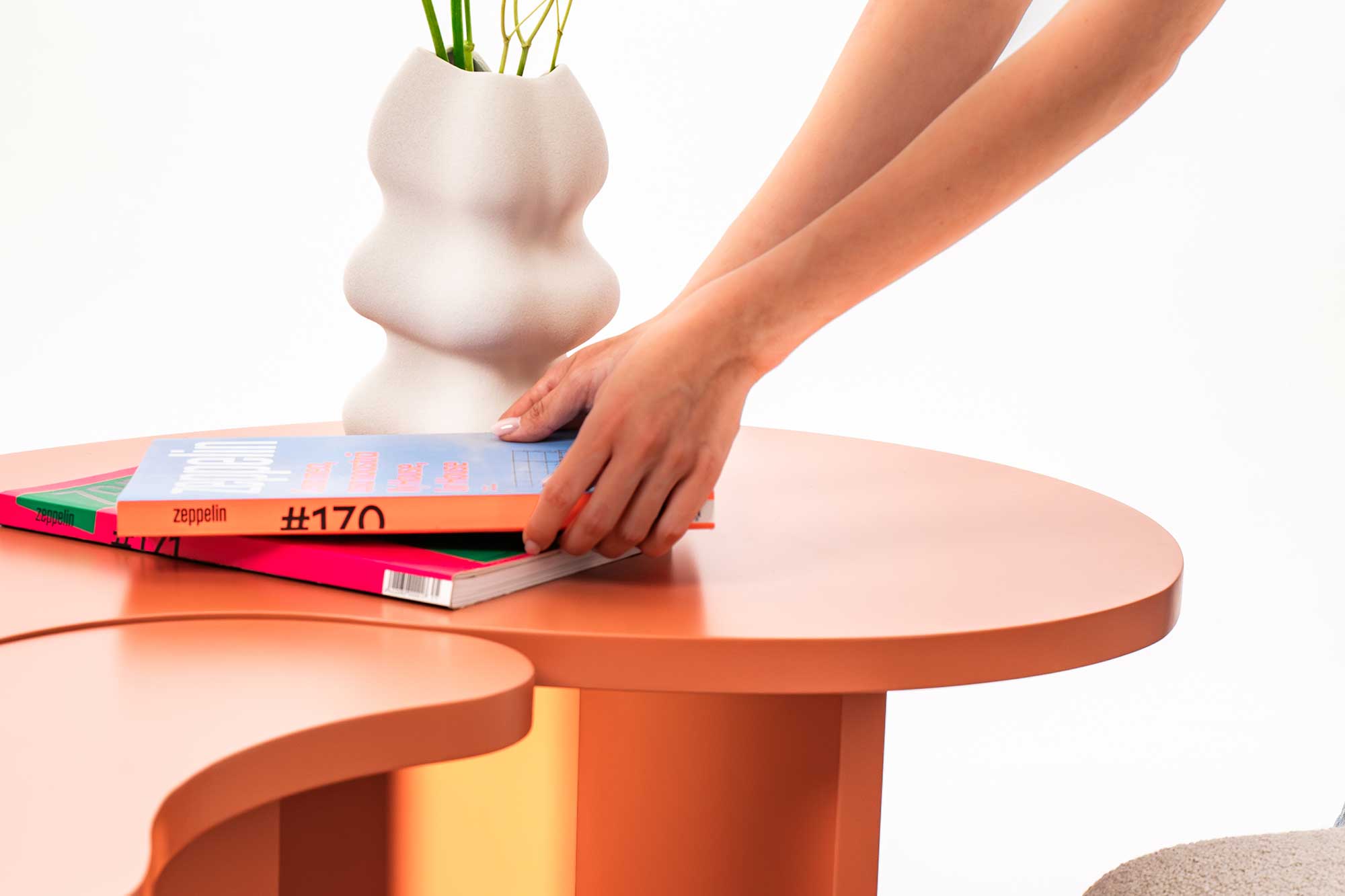
Interior design is an ever-evolving field — shaped by lifestyle shifts, technology, and growing environmental awareness. The year 2025 brings forward three defining trends that reflect the needs of modern living: flexibility, sustainability, and authentic personalization. It’s no longer just about having a beautiful home — it’s about creating a space that reflects your personality, values, and way of life.
Mo-Haus, the Romanian modular furniture brand, embodies these ideas perfectly. Its products aren’t just furniture pieces — they’re design solutions that merge aesthetics, functionality, and responsibility. Through intelligent design, durable materials, and limitless configurability, Mo-Haus becomes a natural answer to what people truly want in 2025.
One of the strongest design trends of the year is modularity. As cities grow denser and apartments become smaller, people seek furniture that adapts to their lifestyle — not the other way around. A living room can now double as a workspace and a relaxation area, while the kitchen evolves into a multifunctional hub.
Modular furniture meets these challenges perfectly. Unlike traditional, heavy, and fixed pieces, modular systems can be combined, expanded, or rearranged with ease. Mo-Haus takes this concept even further with its intuitive assembly system — eliminating the need for glue or complex tools. Each user becomes part of the process, shaping their own space to suit their needs.
A simple example: a modular bookshelf. In a small apartment, it can be stacked vertically to save floor space. In a larger home, the same modules can be extended horizontally for a more expansive visual effect. This adaptability turns modular furniture into more than a trend — it becomes a lifestyle solution.
Another major pillar of 2025 design is sustainability. People no longer see furniture as a short-term purchase — they view it as a long-term investment that should respect both their quality of life and the environment.
Consumers are asking new questions: “Where does this product come from?”, “How was it made?”, “What impact does it have on the planet?” In a market dominated by mass-produced, low-cost items, Mo-Haus stands out for its attention to detail and commitment to responsible design. Using premium MDF, avoiding toxic substances like glue, and producing locally are concrete steps toward a more sustainable approach.
Sustainability also means durability. A modular furniture piece can be used for years — reconfigured whenever life changes. Instead of constantly buying new items and generating waste, you invest in a solution that adapts and lasts.
If modularity offers flexibility and sustainability ensures responsibility, personalization adds emotion. People no longer want standardized interiors that look like everyone else’s — they crave spaces that reflect their identity, taste, and story.
In this context, Mo-Haus modular furniture offers a unique sense of freedom. The ability to choose different colors, combine modules creatively, and adapt each piece to your lifestyle turns your home into something truly personal. It’s not just a bookshelf or a sideboard — it’s your bookshelf, designed exactly the way you want it.
Personalization also fosters a sense of connection and belonging. When you assemble your own piece, choose its color and shape, the space becomes more than just a home — it becomes an extension of yourself. This active participation in the design process is one of the most meaningful trends of 2025.
Beyond the three main pillars — modularity, sustainability, and personalization — several secondary trends are shaping the year ahead:
Neutral color palettes remain dominant, complemented by natural accents such as sage green or earthy terracotta. These tones bring balance and pair beautifully with the minimalist aesthetic of modular furniture. Natural light and open, airy spaces are increasingly sought-after, leading people to favor compact, non-intrusive pieces.
Smart home integration continues to grow. While Mo-Haus focuses on simplicity and modularity, its furniture easily integrates into modern interiors with intelligent lighting or smart systems — creating harmony between technology and design.
The interior design trends of 2025 mark a shift in mindset. It’s no longer enough for furniture to be beautiful — it must also be flexible, sustainable, and personalized. In an increasingly dynamic urban world, people are searching for solutions that make life simpler, clearer, and more authentic.
Mo-Haus perfectly embodies these principles through locally crafted modular furniture, designed with intelligence, durability, and care. By choosing Mo-Haus, you’re not just following trends — you’re creating a space that truly belongs to you, one that evolves and transforms along with your life.
Share article